2Part 2
Getting around
Trains, the Shinkansen, passes and transit cards: a dense network, explained simply.
- Understanding the network
- The Shinkansen
- JR Pass and regional passes
- Suica, PASMO, ICOCA
- Bus, plane, car, taxi
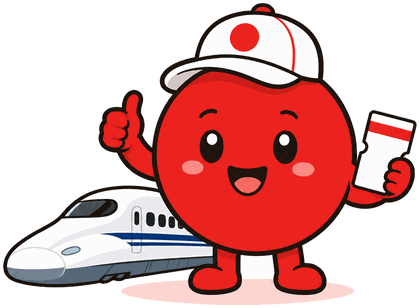
Many networks, one logic
Six JR companies, private railways, subways: each has its own gates and fares. An IC card works on all of them; the JR Pass, only on JR lines.
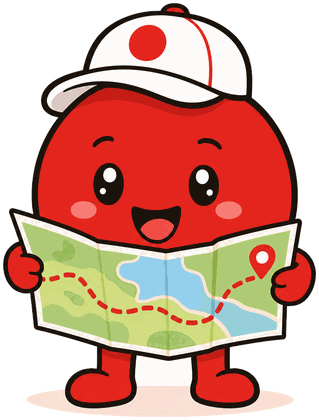
The Shinkansen lines
Tokaido · JR CentralSanyo · JR WestKyushu · JR KyushuTohoku · JR EastHokkaido · JR HokkaidoHokuriku · JR East and JR West
Swipe the map
Four trains, two tickets
- Local
Stops at every station. Regular ticket or IC card.
- Rapid
Skips stations: check that it stops at yours. Regular ticket or IC card.
- Limited Express
Major stations only, like the HARUKA or the Romancecar: ticket + surcharge.
- Shinkansen
High speed, from one big city to the next: ticket + surcharge.
- Good habits
- Read the platform screen: the train type, the destination (the last stop, not yours) and the platform number.
- Line up on either side of the doors, and let people off first.
- Give priority seats to elderly, pregnant or disabled passengers.
- Head back before midnight: in Tokyo, the last Yamanote trains leave around 12:40 am.
- Avoid
- Phone calls on board: switch to silent; on the Shinkansen, call from the vestibule.
- Tokyo's morning rush, until about 9:30 am on weekdays.
- “Women Only” cars, reserved for women on weekday mornings in Tokyo.
- Leaving your suitcase in front of the doors.
 PlanJapanGetting around · Understanding the network
PlanJapan · Japan, the complete guide · 2026–20272